
1. Peru – A Country of 28 Climate Zones
Why is there no single “perfect date” for the whole country? Get to know the three worlds that make up Peru’s weather map.
Costa: Desert Calm
The coastal strip is eternal spring or summer. Rainfall is practically non-existent. Ideal for fans of Lima, Paracas and surfing in the north of the country.
Sierra: Kingdom of the Andes
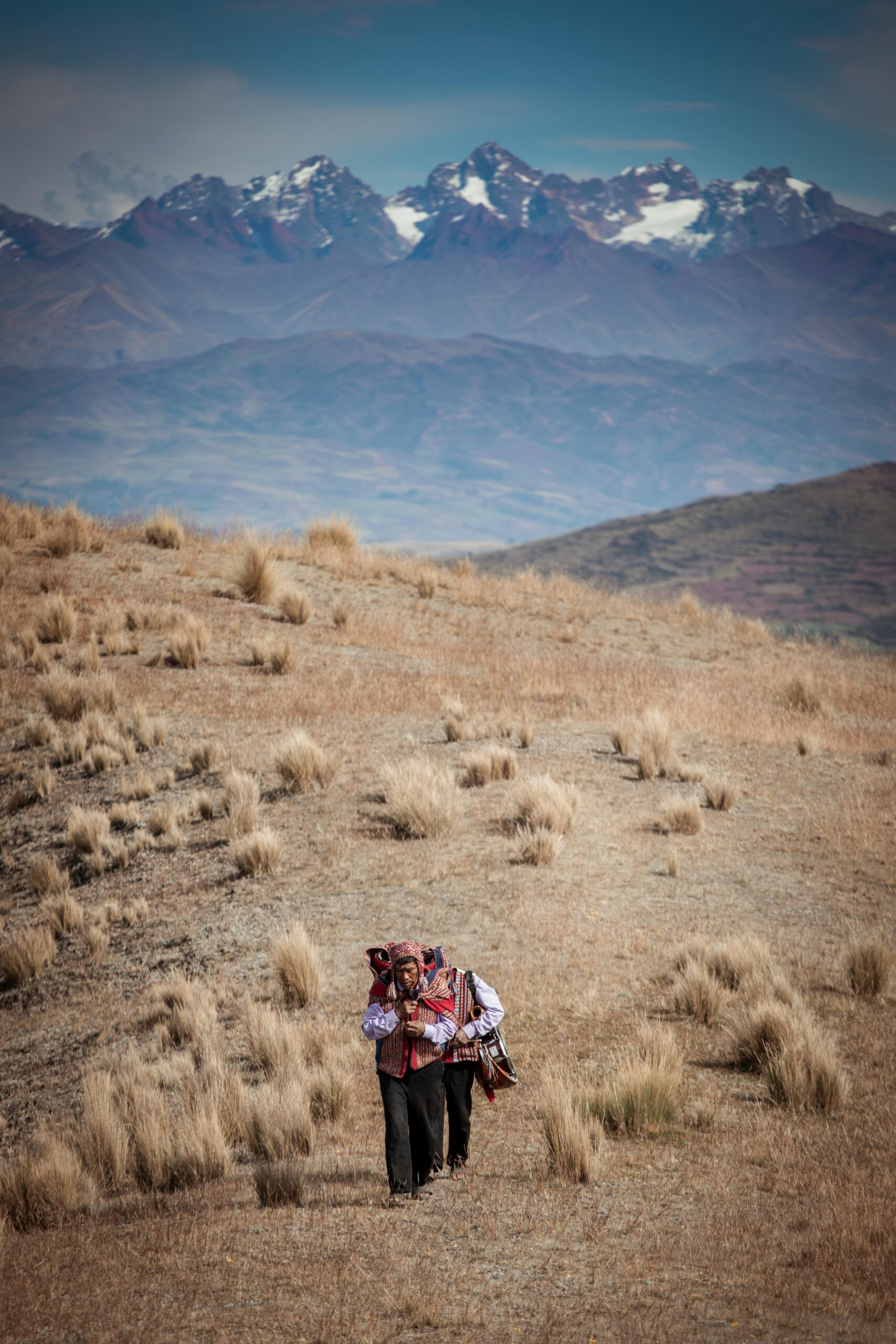
Here time is measured by sun and rain. Because of the altitude, the temperature difference between shade and sun can be as much as 20 degrees.
Selva: Tropical Humidity
The evergreen lungs of the world. Here rain is an everyday occurrence that brings the forest to life. Hot and humid 365 days a year.
Choosing the date for a trip to Peru is often a compromise between different regions. Most tourists aim for Machu Picchu and Cusco, which makes the Andean calendar the main factor in planning. The Peruvian Andes are merciless when it comes to rainfall from January to March, which can make trekking difficult, but in return they offer the most beautiful greenery just after the rains subside.
On the other hand there is the coast, led by Lima, which from December to April blossoms in full sun, offering ideal conditions for paragliding over the ocean or tasting ceviche in a summer atmosphere. It is worth remembering the El Niño phenomenon, which once every few years can turn these statistics upside down, bringing unexpected rainfall to the north of the country. That is why, in preparing our guide, we rely on many years of observation and the experience of our local guides.
2. Dry Season (May – September)
A golden time for lovers of trekking and photography
Blue Skies over Cusco
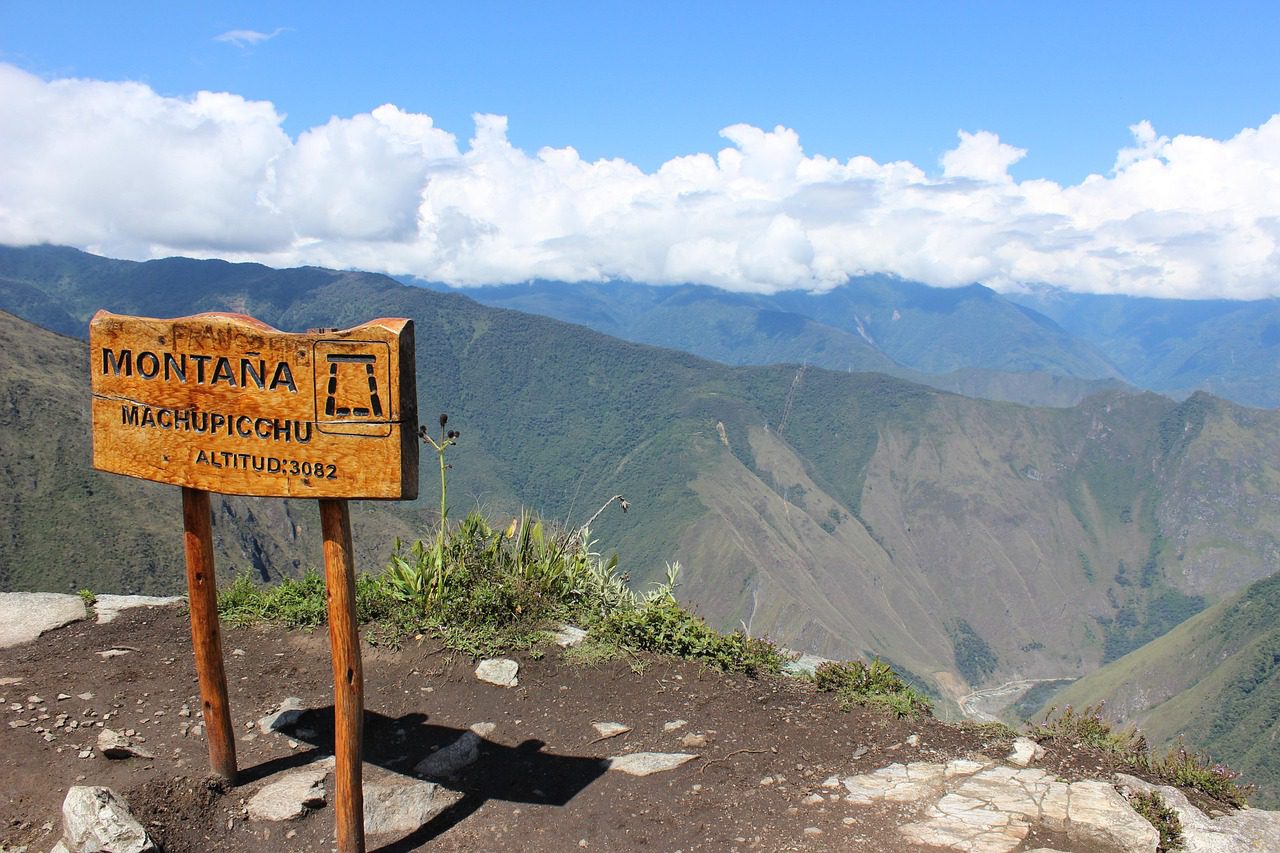
If you dream of photos of Machu Picchu bathed in sunshine, this is the time for you. The dry season guarantees stable weather in the Sierra and Selva Alta regions. Rain is rare, which means the trekking trails are in their best condition.
In June Cusco becomes the capital of the world thanks to the Inti Raymi festival. This is when Inca culture comes alive in the streets and the city fills with colour and music. Bear in mind, however, that the popularity of this period means planning your trip at least 4-6 months in advance.
3. Rainy Season (December – March)
Peru in shades of intense green
Travelling at this time is for those seeking authenticity, tranquillity and lower prices. The Andes turn into lush gardens, and the clouds dancing between the peaks add to the mysticism of Machu Picchu.
Landscapes
You will never see Peru as green as it is now. Vegetation is in bloom, and the Andes look incredibly alive and fresh.
Budget
Prices of flights and accommodation fall. It is the ideal moment for luxury hotels at the price of standard guesthouses.
Tranquillity
No crowds means you can contemplate Inca ruins in silence, without hundreds of other tourists in the frame.
*Tip from wycieczkidoperu.pl: If you are travelling at this time, invest in a good-quality membrane jacket and Gore-Tex boots. The rain can be heavy, but after an hour beautiful sunshine usually comes out.*
4. Shoulder Seasons: April and October
The ideal balance for the most demanding travellers
Peru’s best-kept secret
Travelling in April or October is a strategic choice that lets you enjoy the advantages of both main seasons. In April you will experience the incredible lush green left behind by the rainy season, while the skies begin to clear, offering more and more hours of sunshine.
October, in turn, is the last moment of stable weather before the clouds arrive. This is when temperatures are most predictable – the days are warm and the nights not as freezing as in July. For many photographers these months are the only right choice because of the soft, golden light that perfectly brings out the texture of the stones at Machu Picchu.
Why is it worth it?
5. Where and When? Regional Calendar
Peru is three different worlds. Choose the one that appeals to you most.
Sun over the Pacific
The Peruvian coast is best visited during the European winter. From December to March, Lima and the northern beaches offer ideal conditions for relaxing and tasting the world’s best cuisine in the sunshine.
- Peak season: December – March (summer)
- Best for: Foodies, surfers, history lovers (the Caral civilisation)
- Phenomenon: Garúa (winter mist) from May to October
Calendar of Events 2026/2027
Match your travel dates to Peru’s most important festivals.
Inti Raymi
The spectacular Festival of the Sun in Cusco. The most important cultural event in the Andean calendar.
MUST SEEVirgen Candelaria
A festival of dance and masks in Puno on Lake Titicaca. A dizzying whirl of colour and folklore in its purest form.
FOLKLOREFiestas Patrias
Independence Days. All of Peru celebrates in the streets, and restaurants serve special national menus.
CELEBRATIONQuick Pick: When to fly?
Budget Travel
The lowest prices for flights and accommodation. Ideal for those with a flexible budget.
Mountain Treks
Guaranteed weather in the Andes. Dry trails and crystal-clear views of the peaks.
No Crowds
Machu Picchu without queues. A time for introverts and lovers of misty atmospheres.
The Amazon
The best wildlife watching, with low water levels. Fewer insects on the trails.
When to book? Preparation Timeline
Inca Trail permits 6-8 months before
The most sought-after trek in the world. If you are aiming for peak season, book as soon as the permits are released (usually in the autumn of the previous year).
Machu Picchu entry 4-5 months before
The Huayna Picchu routes in particular sell out in a flash. Without tickets bought online in advance, simply turning up is practically impossible.
International flights 3-4 months before
This is the best window for finding attractive fares to Lima. Keep an eye on connections via Madrid, Paris or Amsterdam.
Hotels and trains 2-3 months before
Secure your local logistics. It is worth choosing hotels with free cancellation to stay flexible in case your flight plans change.
So when should you fly to Peru?
Winner: SEPTEMBER
The ideal weather window. The tail end of winter, no crowds, stable skies and excellent visibility in the jungle.
Alternative: MAY
The Andes are at their lushest and greenest after the rains, and the tourist season is only just getting going.
Whatever you choose, Peru is an adventure that requires good planning. Remember that mountain weather can be capricious, but that is exactly what creates this unique atmosphere!
Ready for the trip of your life?
Don’t let the planning overwhelm you. We will organise your trip to Peru based on our many years of experience and local knowledge.
Ask for an offerFrequently Asked Questions (FAQ)
Yes, treks are safe, but they require better equipment. Most routes (except the Inca Trail in February) are open. Expect mud and mist, which nevertheless add to the mysticism of the mountains. Trekking poles and waterproof Gore-Tex footwear are essential.
The best compromise for these two regions is the period from May to September. In the Andes it is the dry season (ideal for trekking), and in the Amazon it is the low-water season, which makes it easier to observe animals on the riverbanks and to hike through the rainforest.
July and August are the coldest months in the Peruvian mountains. Although the sun is strong during the day (around $20^{\circ}C$), after dark the temperature drops drastically, often reaching $-5^{\circ}C$ or lower. Warm down clothing and thermal base layers are essential.
No, Machu Picchu itself is open 365 days a year. Only the 4-day hiking route (the Inca Trail) is closed for maintenance. Visitors can reach the ruins without any problem by train or by the alternative route via the hydroelectric plant.
The lowest fares from Europe to Lima can be found in the so-called low-season months: November, March and April. It is worth monitoring connections via Madrid (Iberia) or Amsterdam (KLM) around 4-6 months in advance.