
The Culinary Capital of the World
Discover Peru through the flavours that have won the hearts of the most demanding food critics on the globe.
Peruvian cuisine is not just food – it is a national identity that combines the history of the Inca empire with waves of immigration from Europe, Africa and Asia. It is this meeting of cultures that created the most exciting gastronomic ecosystem of our time. In Lima, the capital, traditional fish markets sit side by side with the most avant-garde restaurants in the world, creating a contrast that fascinates from the first bite.
Setting off with us on a culinary journey through Peru, you will discover flavours born of unparalleled biodiversity. From more than 3,000 varieties of potato, through hundreds of types of corn and ají chillies, to seafood delivered daily by the cold Humboldt Current. Every region – from the coast, through the Andes, to the jungle – has a unique story to tell in flavour and aroma.
Ceviche: Treasure of the Pacific
No trip to Peru is complete without trying this dish. It is the quintessence of the Peruvian coast – raw fish marinated in lime juice, which the magic of “Tiger’s Milk” turns into a culinary masterpiece.
The most important dishes of Peruvian cuisine
Discover the flavours that have shaped the identity of Peruvians for centuries.
1. Lomo Saltado (Stir-fried Beef)
This is the undisputed king of Peruvian fusion, combining the Chinese wok technique with the best Andean beef. Strips of tenderloin flash-fried over a fierce flame with red onion, tomatoes and ají amarillo chilli create an aromatic sauce that soaks into the chips and rice. You will find this dish in every Peruvian restaurant – from humble eateries to luxury venues in Lima.
2. Aji de Gallina (Creamy Chicken)
A famous stew with a velvety texture and a sunny colour. The secret is the ají amarillo chilli, which adds character without burning the palate. Walnuts and cheese make the sauce incredibly rich. It is a dish that perfectly captures “home-style Peru” – filling, full of love and tradition handed down from generation to generation.
3. Anticuchos (Beef Heart Skewers)
Don’t be put off by the name – anticuchos are among the tastiest meat bites you will ever eat. Marinated in vinegar, garlic and spicy ají panca, then grilled over charcoal, they take on a smoky aroma and tenderness. Traditionally served with boiled potato and choclo corn, they are an inseparable part of nightlife in Peru’s cities.
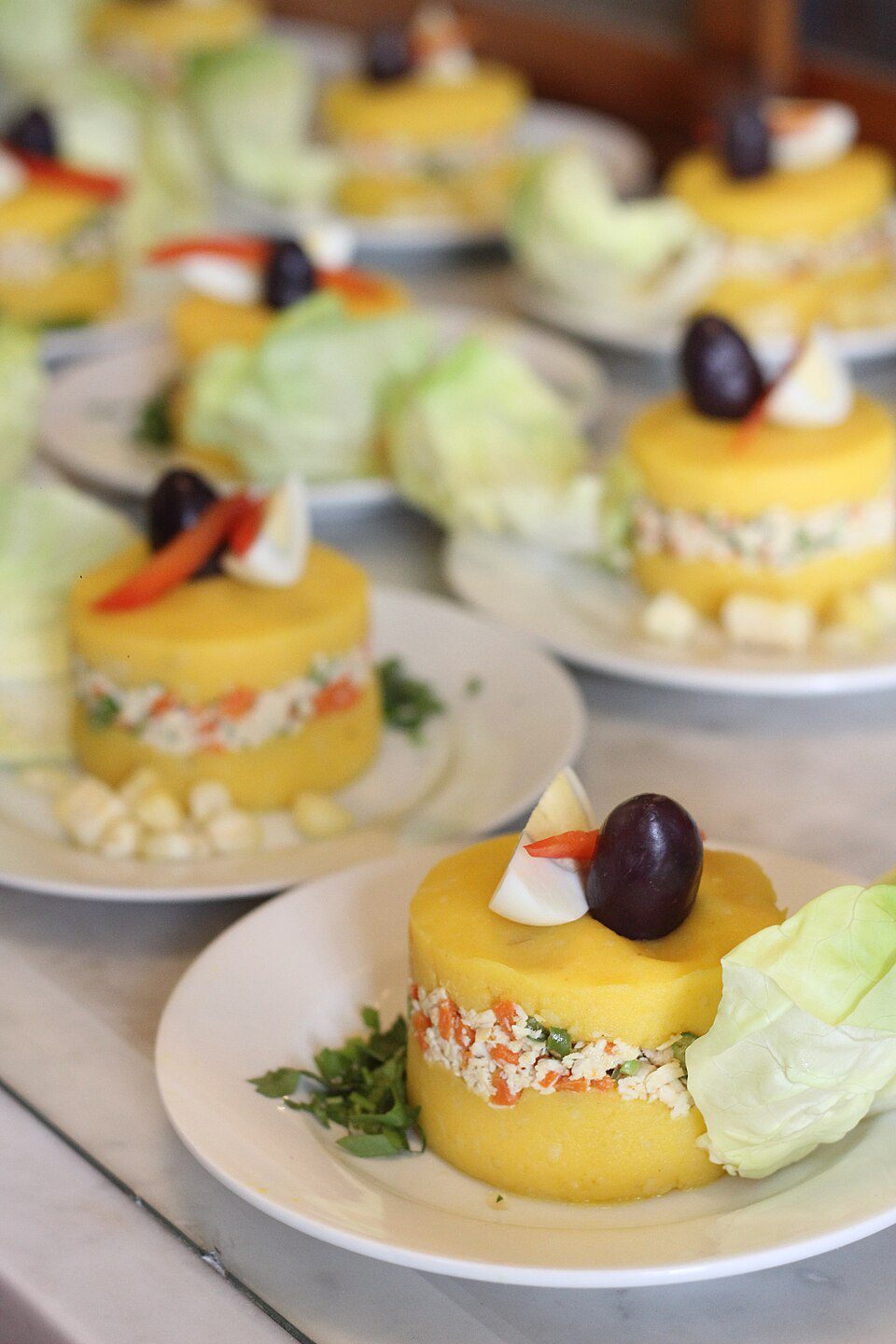
4. Causa Limeña (Layered Potato Terrine)
Light, citrusy and extremely photogenic. Causa is proof that the Peruvian potato can be luxurious. Lime-flavoured mash hides a chicken or seafood salad, and the addition of creamy avocado makes every portion an explosion of textures. It is a dish best served chilled, as the perfect prelude to a culinary feast.
Flavours of the High Andes
Discover dishes that have survived for centuries in the shadow of snow-capped peaks.
Cuy (Guinea Pig)
The most controversial and at the same time the most traditional dish of the Sierra. Served whole and fried under a stone, it delights with its crispy skin. It is a symbol of the Andean feast, present even in religious paintings in Cusco.
Alpaca Steak
A noble, lean meat with a delicate flavour. Alpaca is a staple of the highland diet. It is best as a juicy grilled steak, served with quinoa or a sauce of Andean black mint.
Pachamanca
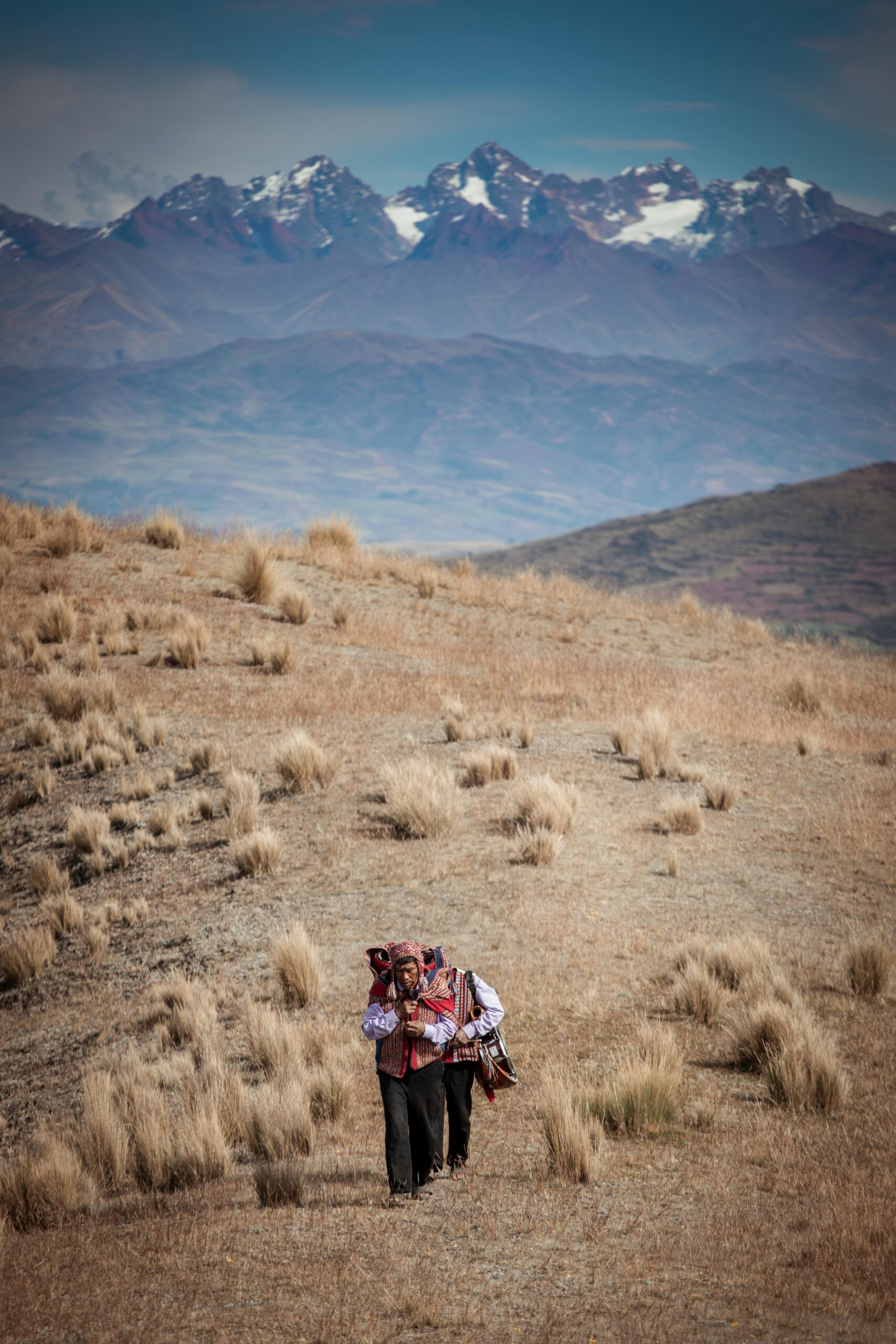
The ritual of cooking in the earth. Meats and vegetables cook for hours under heated stones, taking on the aroma of smoke and herbs. It is a culinary experience that connects people with Mother Earth (Pachamama).
Fusion Flavours: Chifa & Nikkei
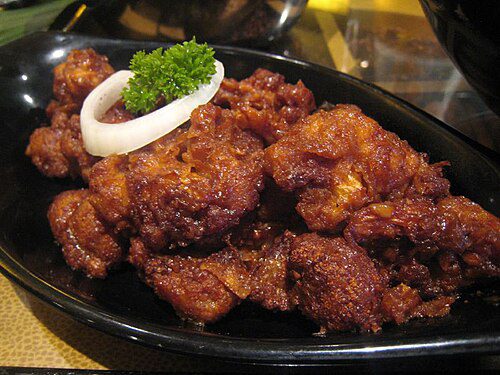
The word “Chifa” comes from the Cantonese chi fan, meaning “to eat rice”. When Chinese immigrants arrived in Peru in the 19th century, they had to adapt their cooking techniques to local produce. Thus one of the most popular fusions in the world was born. Chifa is not just food – it is a way of life you will find in every district of Lima, from elegant restaurants to neighbourhood eateries.
The secret of Chifa cuisine lies in stir-frying in a wok over very high heat, which gives the dishes their characteristic smoky aroma. The combination of ginger, soy and Chinese chives with Peruvian ají amarillo chilli creates an irresistible flavour profile.
- Arroz Chaufa: The absolute staple – rice fried with ginger, egg, spring onion and meat.
- Wantán Frito: Crispy dumplings that are the obligatory opener to every Chifa feast.
- Tipakay: Juicy chicken in sweet-and-sour sauce, often with fruit.
Nikkei cuisine is the fascinating result of Japanese culinary discipline meeting the unrestrained temperament of Peruvian ingredients. Japanese immigrants who settled on the Peruvian coast introduced new standards for handling seafood, teaching Peruvians, among other things, that fish does not need to be marinated for hours to bring out its best.
Today the Nikkei style is synonymous with luxury and innovation. The world’s most outstanding restaurants, such as Maido in Lima, are built on this trend, serving dishes perfectly balanced between the delicacy of sashimi and the intensity of Andean herbs and chillies.
- Tiradito: Slices of raw fish in a thick, spicy sauce – it differs from ceviche in having no onion.
- Maki Acevichado: A brilliant combination of sushi with a creamy ceviche-flavoured sauce.
- Pulpo al Olivo: Octopus served in a velvety sauce of purple olives from the Ica region.
The World’s Pantry: Peruvian Superfoods
Discover the gifts of nature that have given strength to the people of the Andes and the jungle for millennia.
Treasures of the Earth
Peru is the homeland of the potato. With more than 3,000 varieties, the potato is a symbol of biodiversity here. Alongside it reigns maca – a root with remarkable energising properties that helps people survive in the harsh climate of the high Andes.
Golden Grains
Quinoa and kiwicha are the foundation of the Inca diet. These gluten-free pseudocereals are a complete source of protein and minerals. Forgotten for centuries, today they are returning to tables around the world as the healthiest alternative to wheat.
Exotic Amazon
The Amazon is a land of fruits with unimaginable flavours and properties. From the record vitamin C content of camu camu to creamy, caramel-like lucuma, a favourite addition to Peruvian desserts and ice cream.
Drinks of Peru: From Tradition to Modernity
Discover the flavours that have accompanied Peruvian feasts for centuries.
Pisco Sour
The national cocktail, based on a grape distillate. A unique combination of strength, acidity and creamy foam. It is the taste of luxurious Lima in a glass.
Chicha Morada
The healthiest drink in Peru. Purple corn boiled with pineapple and spices. A real antioxidant bomb without a drop of alcohol.
Inca Kola
A bright yellow legend. A sweet, bubblegum-flavoured drink that is more popular in Peru than Coca-Cola. It quenches thirst perfectly with spicy food.
Sweet Peru: Desserts with soul
Discover the culinary magic born in the convents and on the streets of Lima.
Suspiro de Limeña
The most elegant of Peruvian desserts. A caramel cream topped with meringue with a hint of port wine. A true feast for the palate that delights with its velvety texture and sweetness.
Picarones
Crispy rings of pumpkin and sweet potato dough, fried before passers-by and drizzled with aromatic fig syrup. The king of Peruvian street food, addictive from the first bite.
Mazamorra Morada
A thick, purple corn dessert with dried fruit and a hint of cinnamon. Often served together with rice pudding to form the famous “Combinado”.
Culinary Guide: Where to Eat?
From traditional markets to the most luxurious restaurants in the world.
Local Markets
This is where the heart of Peru beats. Mercado San Pedro in Cusco is a must on the map. Try fresh fruit juices and Andean soups, and feel the atmosphere of authentic trade that has not changed for decades.
Fine Dining
Lima is a world centre of gastronomy. Restaurants such as Central and Maido offer unique tasting menus that are a journey through all the ecosystems of Peru. Booking well in advance is essential!
Picanterías
Traditional restaurants, mainly in Arequipa and Cusco, serving spicy and hearty regional dishes. Here you will discover the taste of real home-style Peruvian cooking prepared over the fire.
Always choose places with a high turnover of guests. Drink bottled water and remember that at high altitude (Cusco) digestion works more slowly – light meals in the first few days are the key to feeling well!
Your Culinary Passport: Summary
Eat produce where it grows. Fish by the ocean, alpaca and quinoa in the mountains, exotic fruit in the jungle.
Ceviche is for lunch, anticuchos are for dinner. Respect the Peruvian rhythm of the day to enjoy everything at its freshest.
Book top restaurants in Lima 3 months in advance. Don’t leave Central or Maido to the last minute.
Choose busy places, drink bottled water and give your body time to acclimatise in the high Andes.
Taste Peru for yourself
We will organise an expedition for you that will be a feast not only for the eyes but also for the palate.
Plan your dream trip