
1. Introduction: Why is packing for Peru a challenge?
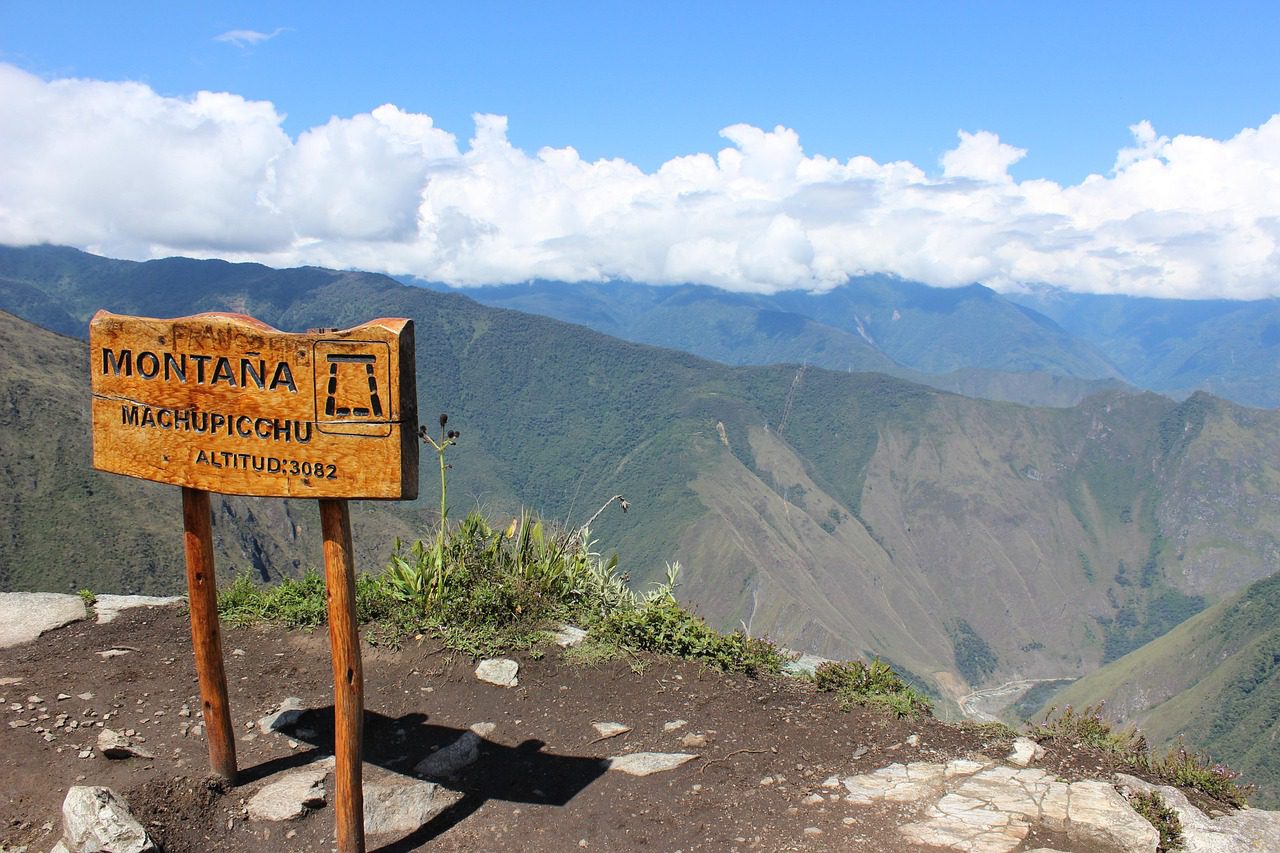
Peru is one of the most geographically diverse countries in the world. When planning your trip, you need to prepare for a phenomenon travellers call “four seasons in one day”.
Travelling with us, you will cross the boundaries of radically different climate zones:
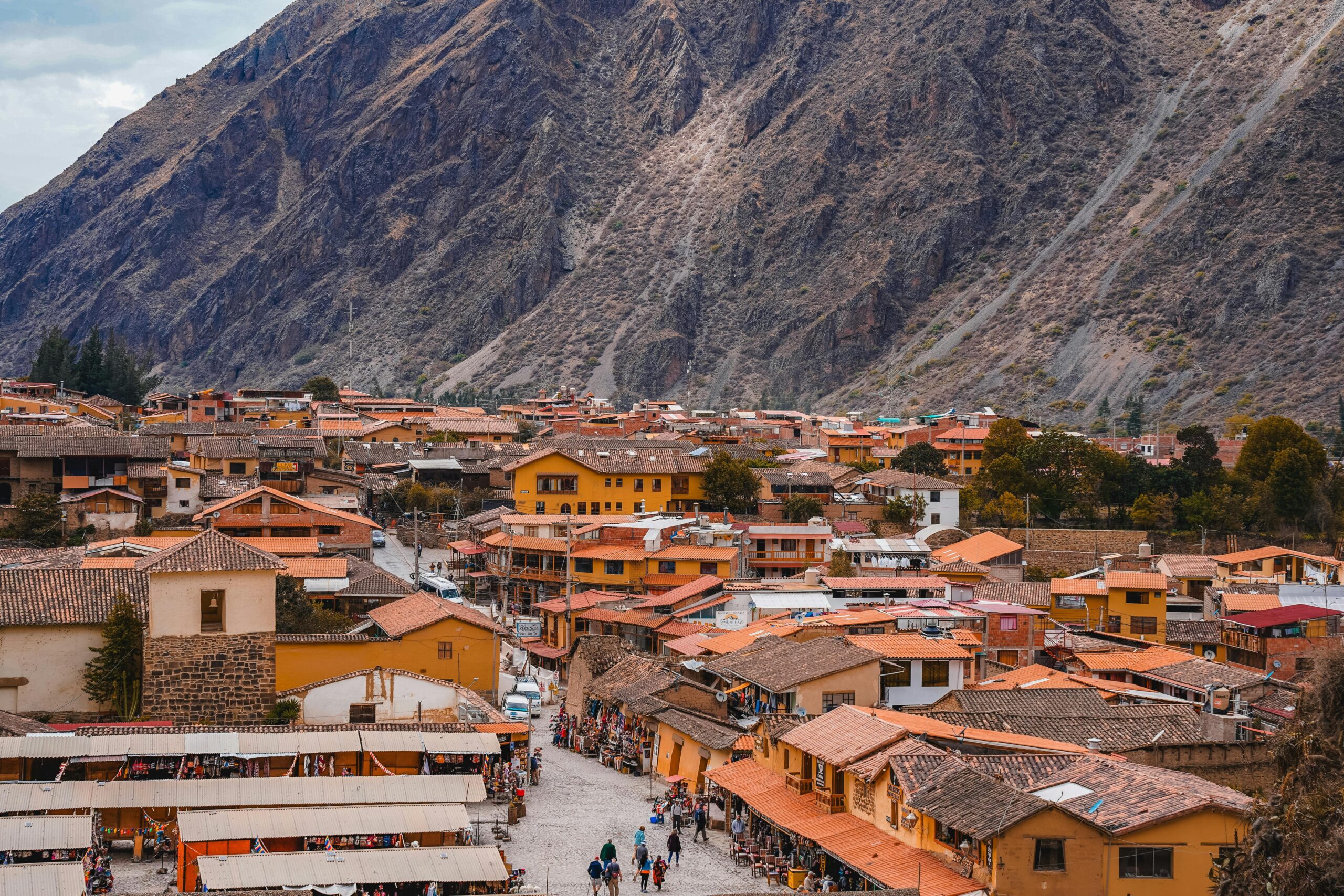
- The Coast (Costa): Desert landscapes, high humidity and moderate temperatures.
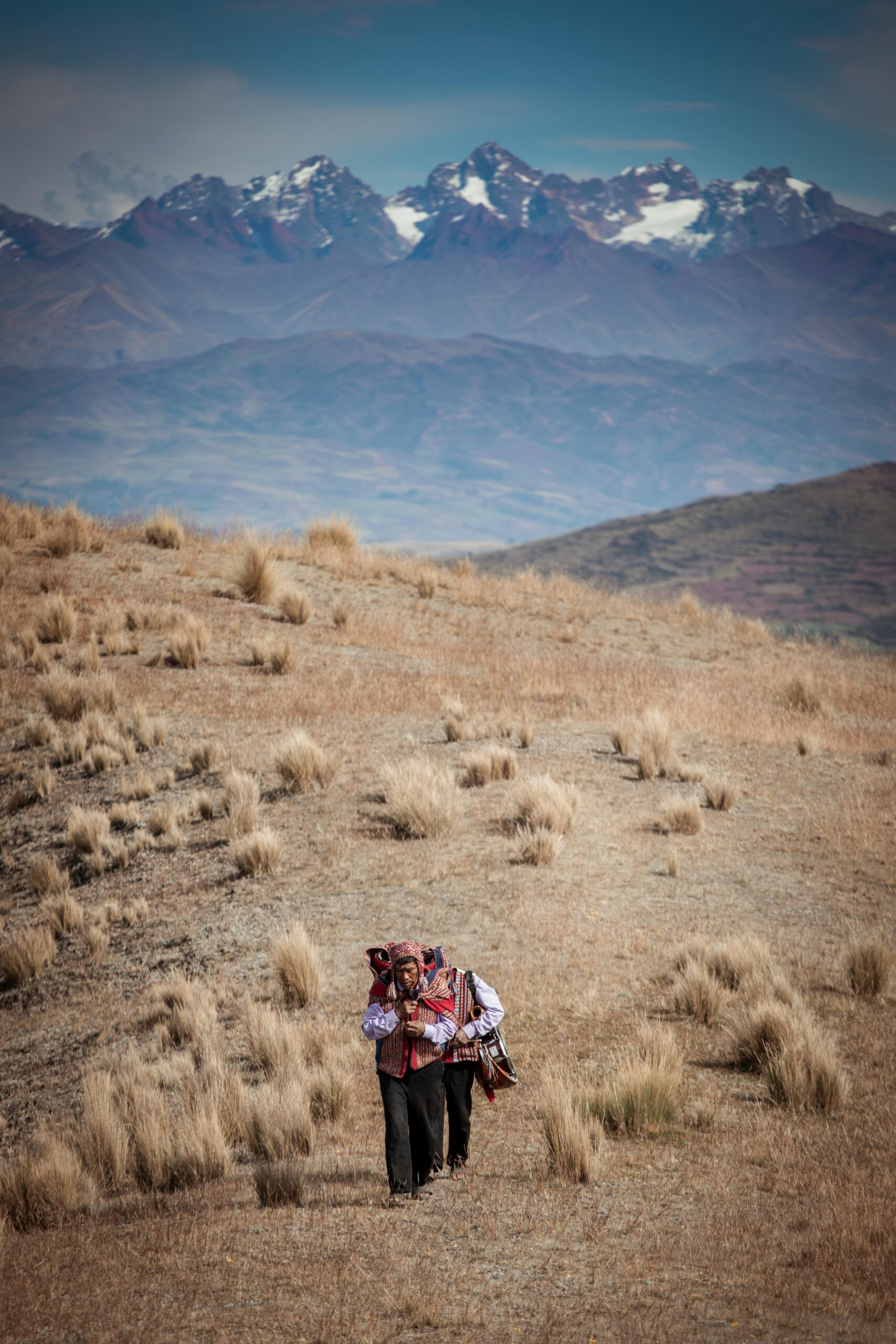
- The Mountains (Sierra): A harsh climate, strong UV radiation and sharp drops in temperature after dark.
- The Jungle (Selva): Tropical heat, intense rainfall and high humidity.
The right kit is not just a matter of comfort but, above all, of your safety and health. In this guide we will show you how to pack smart so you can enjoy every step on the Inca trails.
2. The golden rule: Dress in layers
In Peru you are not up against one kind of weather but its constant change. Layering is the only way to avoid both overheating under the scorching Andean sun and getting chilled during the evenings in Cusco.
Base Layer: Your “Second Skin”
The key is wicking moisture away. Choose merino wool T-shirts or technical synthetic fabrics. Merino has the advantage of not absorbing odours even after several days of trekking, which in Peru is priceless.
Insulating Layer: Warmth and Lightness
The job of this layer is to keep warmed air close to the body. A lightweight down jacket or a technical fleece works best. It is important that they take up little space in your backpack when packed.
Outer Layer: Protection from Wind and Rain
Whatever the season, rain can appear suddenly in the mountains of Peru. A solid hardshell or Gore-Tex membrane jacket is an absolute must. It protects not only from water but, above all, from the chilling wind.
Your Interactive Checklist
Tick off the things you already have in your suitcase!
Upper Body
- Merino T-shirts (x3)
- Rain jacket / Hardshell
- Lightweight down jacket
- Fleece or stretch top
- Long-sleeved shirt (UV)
Lower Body
- Trekking trousers (2 pairs)
- Thermal leggings for the night
- Swim / sports shorts
- Belt
Winter Accessories
- Woollen hat
- Five-finger gloves
- Buff-style neck gaiter (x2)
- Baseball cap
4. Footwear – the foundation of your trip
Don’t let badly chosen boots take away the joy of the adventure of a lifetime.
1 Choosing the Model
We recommend trekking boots with ankle support. They provide the necessary stability on uneven Inca steps and protect against painful injuries. Leave low-cut (approach) shoes for sightseeing in Lima or Cusco.
2 Sole Technology
Look for the Vibram label. Wet stones on the way to the Sun Gate can be as slippery as ice. An aggressive tread and grippy rubber guarantee your safety on every ascent and descent.
3 GTX Membrane
Peru is a country of sudden downpours. Boots with a Gore-Tex membrane will keep your feet dry, which is crucial when the temperature in the mountains drops to around 0°C. Remember to re-proof your boots regularly before you travel!
4 Merino Socks
Invest in merino wool. These smart fibres cool your feet in the heat and warm them on freezing nights. Most importantly, merino wool has natural antibacterial properties and does not absorb odours.
5. Trekking gear and accessories
A detailed list of technical kit that will increase your comfort on the trail.
Daypack
20-30 L capacity with a rain cover. A back ventilation system and a hip belt are key, taking the load off your spine on the climbs to the passes.
Trekking Poles
They reduce the load on your joints by 25%. Ideal for steep descents on Inca steps. Remember rubber tips for the points – they are required at Machu Picchu!
UV Protection
Category 3 or 4 sunglasses and SPF 50+ sunscreen. The sun in the Andes is much stronger than in Europe – protect your eyes and skin from burns.
Head Torch
Essential for nights in tents and for early starts to catch the sunrise. It keeps your hands free, which is crucial on more difficult terrain.
6. Electronics and documents
Power and Sockets
Type A/B and C sockets are standard in Peru.
- Bring a universal adapter
- Voltage: 220V
- A multi-socket adapter is useful
Power
Batteries drain twice as fast in the Andes because of the cold.
- Power bank, min. 10,000 mAh
- Hand luggage only!
- Braided cables (durability)
Payments
Cash (soles) is essential outside the big cities.
- Revolut / multi-currency card
- Dollars only in perfect condition
- Keep your cash in 2 places
Documents
The security of your data means peace of mind on your trip.
- Passport valid for at least 6 months
- Scan in the cloud (PDF)
- Insurance policy (printed)
7. Health and the Traveller’s First-Aid Kit
Medicines and Prevention
- For soroche: Acetazolamide (prescription only) or local coca.
- Digestive system: Probiotics, loperamide, electrolytes.
- Pain relief: Ibuprofen (anti-inflammatory).
- Repellents: Products with at least 30% DEET for midges and mosquitoes.
First Aid
- For blisters: Gel plasters such as Compeed.
- Disinfection: Alcohol wipes.
- Protection: SPF 50+ sunscreen (a must!).
- Hygiene: Antibacterial hand gel.
8. What NOT to bring? Save space in your suitcase
Your back will thank you at 4,000 metres!
Smart clothes
High heels, suits and expensive jewellery are unnecessary in Peru. Even in Lima the casual travel look dominates. Go for comfort!
A heavy toiletry bag
Shampoos and shower gels take up space and weight. Most hotels provide the basics, and you can buy the rest at any “mercado” for next to nothing.
Too much cotton
Cotton clothes take ages to dry. One sweatshirt soaked by rain will stay wet for 3 days. Choose synthetics and merino wool.
Polish zloty (PLN)
PLN cannot be exchanged in Peru. Bring USD (no tears!) or EUR, or use a multi-currency card.
Frequently Asked Questions (FAQ)
There are currently no mandatory vaccinations for travellers from Europe. However, vaccinations against hepatitis A and B, tetanus and typhoid are recommended. If you plan to visit the Amazon, it is worth considering a yellow fever vaccination (required for entry to some national parks).
Definitely not. We recommend drinking only bottled, filtered or boiled water. You should also avoid ice cubes in drinks at random places and washing fruit and vegetables in untreated tap water, to avoid stomach problems.
The standard sockets in Peru are type A (American flat pins), B and C (European round pins). The voltage is 220V. Most modern hotels have universal sockets, but a universal travel adapter is always a good idea.
No. The use of drones within the Machu Picchu sanctuary and in most archaeological parks is strictly prohibited. Breaking this ban can lead to confiscation of equipment and heavy fines. Peru protects its heritage and the peace of its visitors.
Definitely US dollars (USD). They are widely accepted and easily exchanged for local soles (PEN). Important: dollar notes must be in perfect condition – with no stamps, writing or even the smallest tears.
Have more questions? Contact us – we know Peru like the back of our hand!